Extending or renovating a house in a conservation area in West and Central London
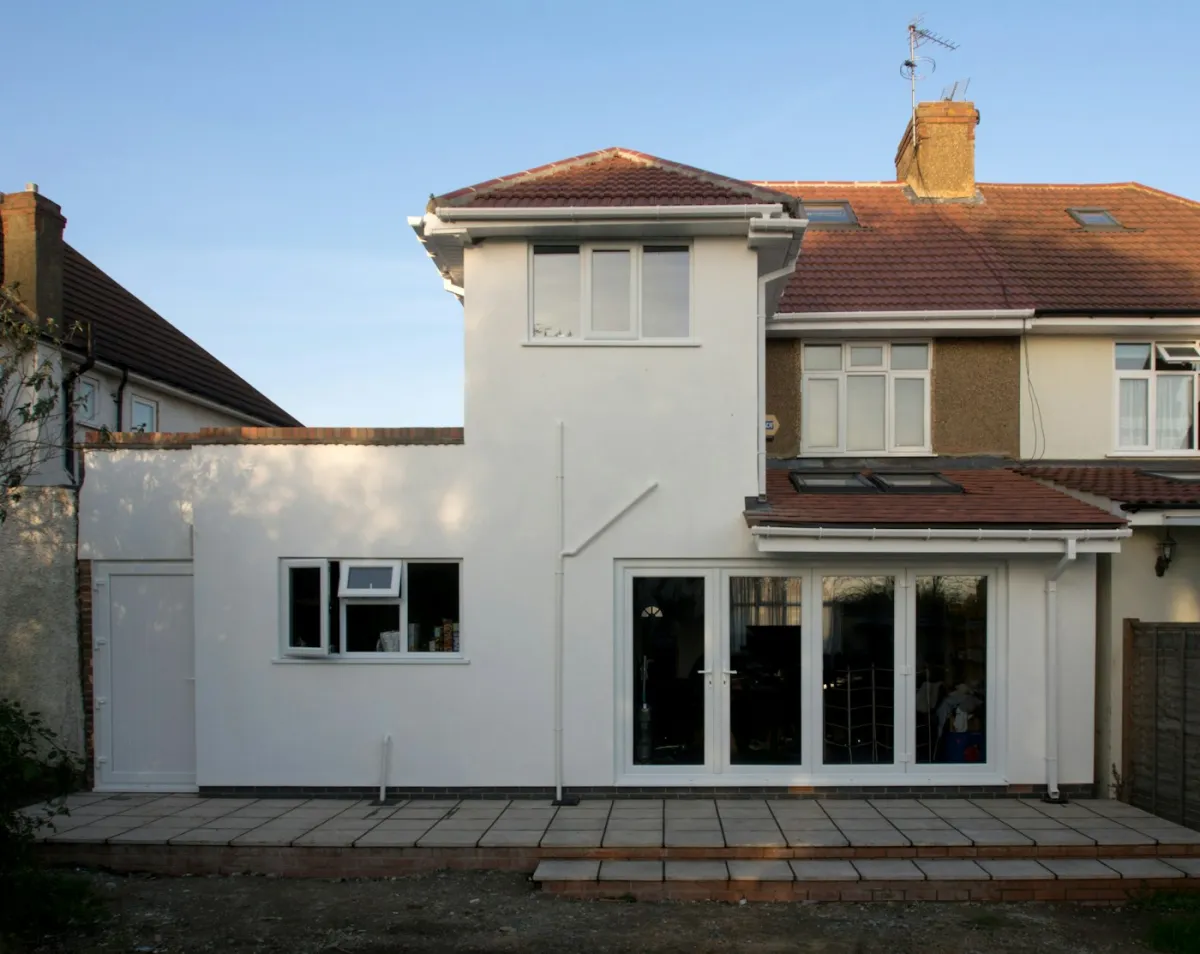
Yes, you can extend or renovate a house in a conservation area, but you have fewer permitted development rights than elsewhere, so more of the work needs planning permission. In a conservation area, every side extension, every rear extension of more than one storey, cladding the outside of the house and roof extensions such as dormers need planning permission, and demolition is restricted too. Trees are protected too: you must give the council 6 weeks' notice before most tree work. Much of West and Central London is covered: Westminster has 56 conservation areas, and in Hammersmith and Fulham they cover about half of the borough.
Key facts
- Conservation areas count as "Article 2(3) land", where permitted development rights are reduced.
- Side extensions, rear extensions of more than one storey, exterior cladding and roof extensions such as dormers need planning permission.
- Demolition in a conservation area is restricted and often needs planning permission for relevant demolition.
- Most work to trees needs a section 211 notice to the council 6 weeks before it starts.
- Councils can remove further rights with an Article 4 direction, and listed buildings need listed building consent.
What is a conservation area?
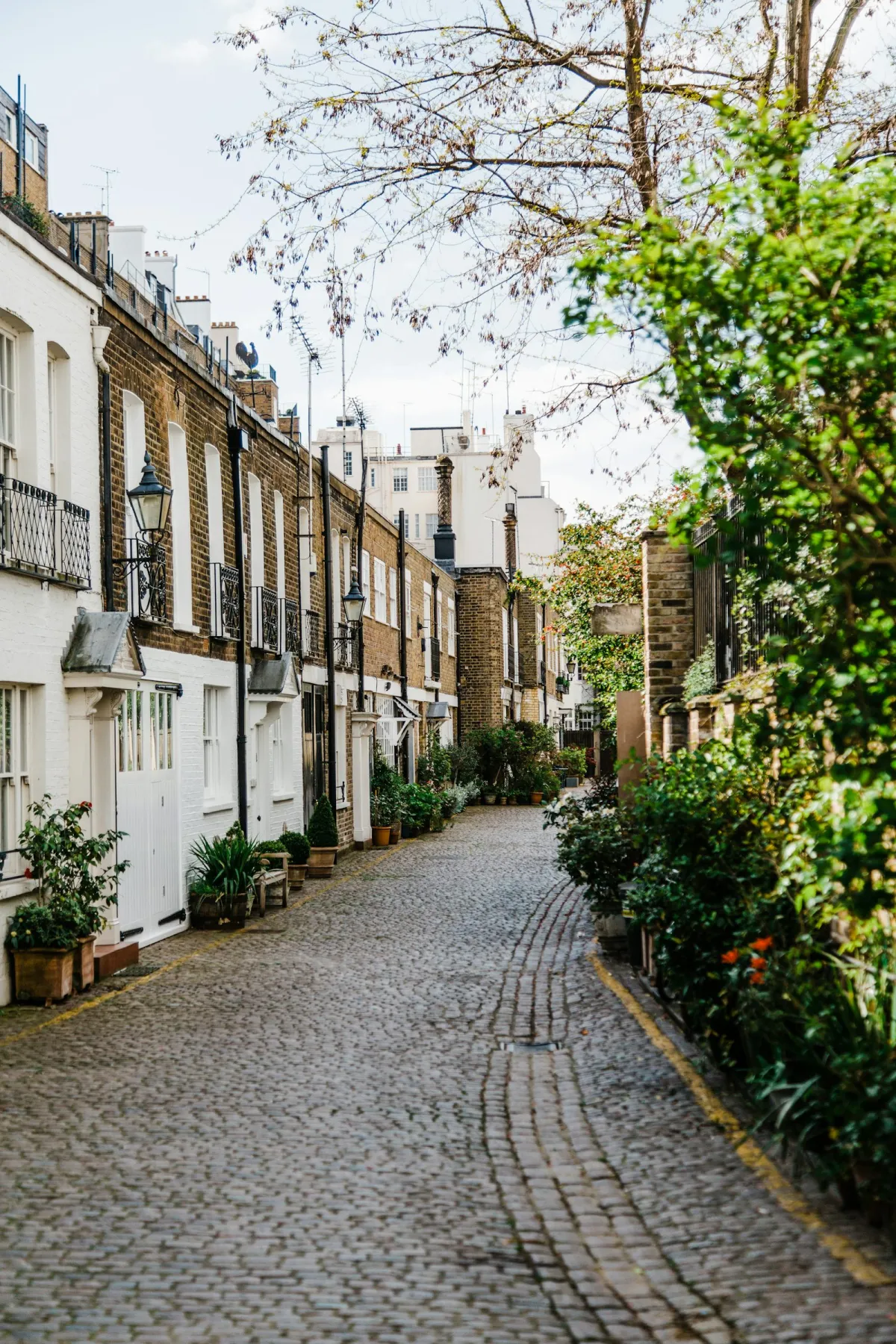
A conservation area is an area that the local council has designated for its special architectural or historic interest. The designation covers the whole area, not just individual buildings, and it gives the council extra planning control over changes that would affect its character.
In West and Central London these areas are common. Westminster City Council says there are 56 conservation areas in Westminster. Hammersmith and Fulham Council says it has 44 conservation areas covering about half of the borough, with two more in the north of the borough where the Old Oak and Park Royal Development Corporation is the planning authority. Both councils say that extra planning controls apply inside them.
What changes for an extension in a conservation area?
Outside designated areas, many extensions to houses can be built as permitted development, without a planning application. In planning law, conservation areas are "Article 2(3) land", and the Planning Portal sets out what is different there:
- Side extensions: all side extensions need householder planning permission.
- Rear extensions of more than one storey: all of them need householder planning permission.
- Larger single-storey rear extensions: the prior approval route, which elsewhere allows up to 6 metres (8 metres for a detached house), is not available.
- Cladding: permitted development cannot include cladding the exterior of the house.
A single-storey rear extension can still be permitted development within the standard limits, unless an Article 4 direction or a planning condition has removed those rights. Our guide to planning permission for an extension in London explains the standard limits in detail.
Can you build a loft conversion or dormer in a conservation area?
Not under permitted development. The rules for additions to the roof (Class B of the General Permitted Development Order) do not apply on Article 2(3) land, so a dormer or another roof extension in a conservation area needs planning permission. Our guide to loft conversion types explains dormer, hip-to-gable and mansard conversions.
What about refurbishment and work to the outside?
Work that only affects the inside of a house that is not listed does not normally need planning permission, even in a conservation area. The extra controls are about how the area looks, so they mainly affect the outside of the building:
- Materials: under permitted development, materials used in exterior work must be similar in appearance to those on the existing house.
- Cladding and render: cladding the exterior is not permitted development in a conservation area, so changes such as new cladding need planning permission.
- Demolition: the Planning Portal says any demolition within a conservation area is further restricted and needs an application for planning permission for relevant demolition, unless it meets certain criteria.
- Article 4 directions: some areas have extra controls, which can bring smaller changes that are normally permitted development under planning control.
Heat pumps also have their own rules in conservation areas; see our guide to heat pump planning permission in London.
What is an Article 4 direction?
An Article 4 direction allows a council to withdraw specified permitted development rights across a defined area, so that work which would normally be allowed needs a planning application. Councils often use them in conservation areas. Westminster says some of its conservation areas are affected by Article 4 directions, and Hammersmith and Fulham says some permitted development rights are restricted in its conservation areas. Always check with the council for your street before you rely on permitted development.
Do trees in a conservation area need permission?
Yes, in most cases. Trees in a conservation area that are not already protected by a Tree Preservation Order are protected by section 211 of the Town and Country Planning Act 1990. You must give the council a section 211 notice 6 weeks before cutting down, topping or lopping such a tree, unless an exception applies, and the work can go ahead earlier only if the council consents. Doing the work without notice is an offence, and if a tree is removed in breach of these rules the landowner has a duty to plant a replacement. This matters for extensions, where a tree near the foundations or the access route may need work.
What if the house is a listed building?
A listed building is different from a conservation area: listing protects the individual building. Any works to demolish, alter or extend a listed building in a way that would affect its character need listed building consent, and carrying out such works without consent is a criminal offence under sections 7 and 9 of the Planning (Listed Buildings and Conservation Areas) Act 1990. A listed house in a conservation area needs both kinds of check.
How do you check, and where do you start?
- Check the designation. Your council's website shows whether your street is in a conservation area; Westminster, for example, has an online map. Ask the council too whether an Article 4 direction applies and whether the house is listed.
- Read the guidance for your area. Councils publish guidance on their conservation areas: Westminster publishes conservation area audits, and Hammersmith and Fulham has character profiles for around half of its conservation areas.
- Consider pre-application advice. Government planning guidance says that talking to the council before you apply can improve the quality of an application and its chances of success.
- Plan the building regulations too. Planning permission and building regulations approval are separate: almost every extension also needs building regulations approval.
Frequently asked questions
Can I build an extension in a conservation area?
Yes. A single-storey rear extension within the standard limits may still be permitted development, but side extensions, extensions of more than one storey and larger rear extensions need planning permission.
Do I need planning permission for a rear extension in a conservation area?
It depends on its size. A single-storey rear extension within the standard limits can be permitted development unless an Article 4 direction or condition applies; a rear extension of more than one storey always needs planning permission.
Can I add a dormer in a conservation area?
Only with planning permission. Roof additions such as dormers are not permitted development on Article 2(3) land, which includes conservation areas.
Can I cut down a tree in my garden in a conservation area?
Usually only after giving the council 6 weeks' notice with a section 211 notice, unless an exception applies or the tree is already protected by a Tree Preservation Order, in which case you need consent.
How many conservation areas are there in Westminster?
Westminster City Council says there are 56 conservation areas in Westminster (checked on 10 November 2026).
How can GONT LTD help with your project?
GONT LTD is a London building company working across West London and Central London. We build rear, side and wraparound extensions and loft conversions, carry out full house refurbishments and work to front and rear elevations, and we manage the whole process, from planning permission to building control sign-off, with an architect if your project needs one. Our page on architectural drawings and planning explains what drawings a project usually needs. Every project starts with a free consultation and quote: call +44 7783 930505 (Monday to Friday, 9am to 5pm), email info@gont.co.uk, visit our showroom at 9 Royal Parade, Dawes Road, Fulham, or describe your project on our contact page.
Sources
- Planning Portal: Extensions, planning permission (Article 2(3) land)
- Planning Portal: Loft conversion, planning permission
- legislation.gov.uk: General Permitted Development Order 2015, Schedule 2, Part 1, Class B
- Planning Portal: Demolition, planning permission
- GOV.UK: Tree Preservation Orders and trees in conservation areas
- GOV.UK: When is permission required? (Article 4 directions)
- GOV.UK: Before submitting an application (pre-application engagement)
- legislation.gov.uk: Planning (Listed Buildings and Conservation Areas) Act 1990, section 7
- GOV.UK: Building regulations approval
- Westminster City Council: Conservation areas
- Hammersmith and Fulham Council: Conservation areas
General guidance for homeowners in England, based on the sources above and checked on 10 November 2026. It is not legal advice, and your council makes the final decision.