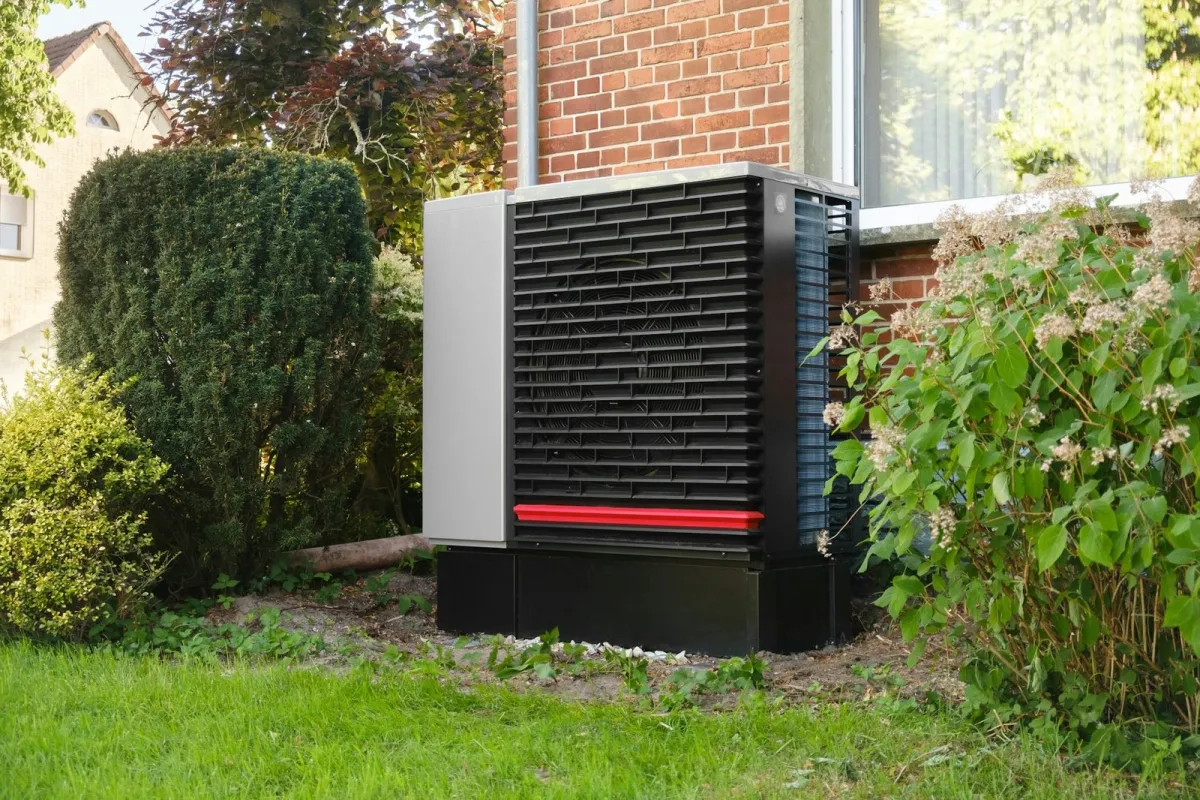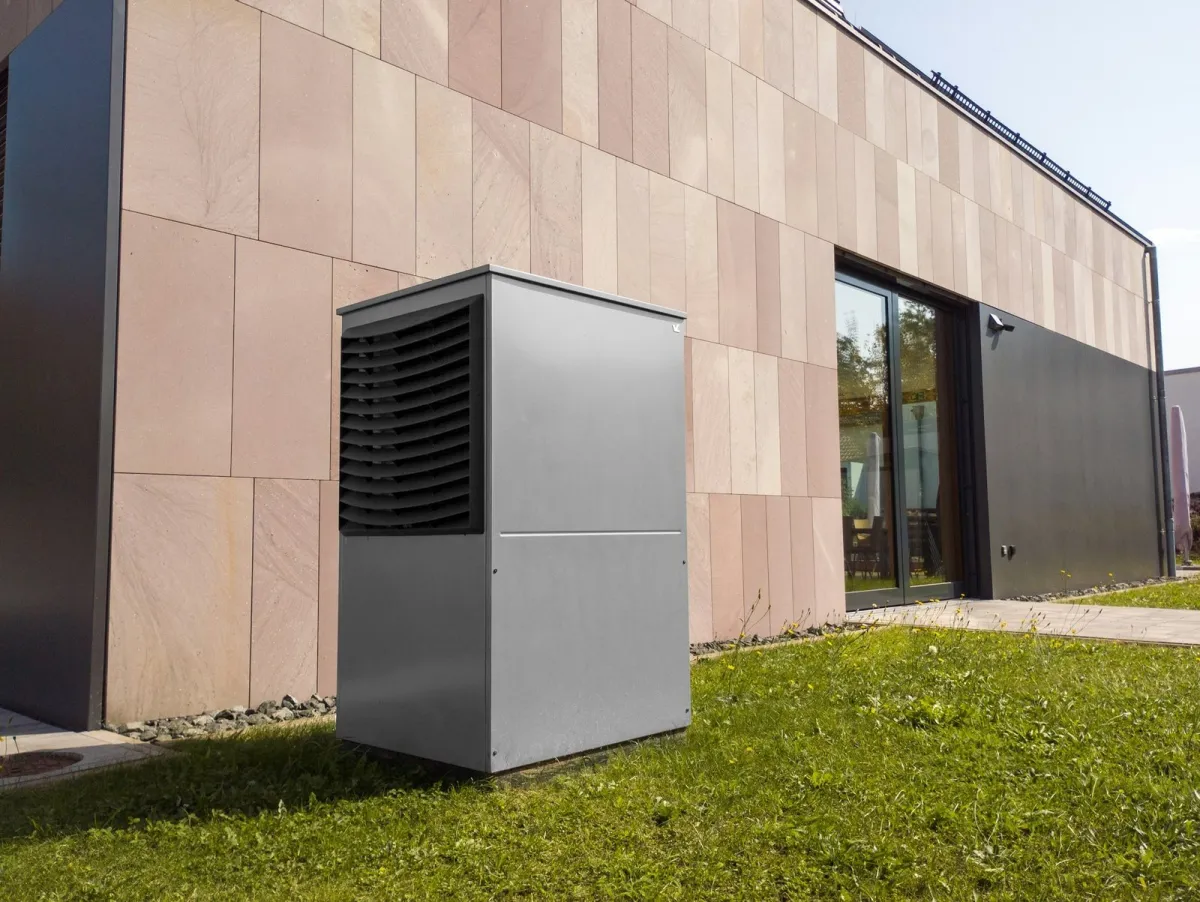
The Boiler Upgrade Scheme explained
The Boiler Upgrade Scheme (BUS) is a government grant in England and Wales that takes money off the price of a heat pump or biomass boiler when it replaces fossil fuel heating, such as a gas, oil, LPG or electric system. As of 10 November 2026 it gives £7,500 off an air-to-water or ground source heat pump, £9,000 in eligible homes off the gas grid until 31 March 2027, £2,500 off an air-to-air heat pump and £5,000 off a biomass boiler. You do not apply yourself: a certified installer registered for the scheme applies to Ofgem for you, and the grant is taken off your bill.

Key facts
- The scheme is open in England and Wales, for property owners replacing fossil fuel heating.
- Grants: £7,500 for air-to-water and ground source heat pumps, £2,500 for air-to-air heat pumps, £5,000 for biomass boilers.
- Homes off the gas grid heated by oil or LPG can get £9,000 for an air-to-water or ground source heat pump, until 31 March 2027.
- Your installer must be certified and registered for the scheme, and applies to Ofgem on your behalf.
- The grant is deducted from the price and shown on your quote and invoice.
- Since 28 April 2026 the property no longer needs a valid Energy Performance Certificate.
How much is the grant?
| Technology | Grant |
|---|---|
| Air source heat pump (air-to-water) | £7,500 |
| Ground source heat pump, including water source and shared ground loops | £7,500 |
| Air-to-water or ground source heat pump in an eligible off-gas-grid home heated by oil or LPG, until 31 March 2027 | £9,000 |
| Air-to-air heat pump | £2,500 |
| Biomass boiler (rural, off-gas-grid properties only) | £5,000 |
Only one grant is available per property. The air-to-air grant and the £9,000 off-gas-grid value were added in 2026, and Ofgem's guidance states that the scheme now runs to 2030.
Who can get the grant?
You can apply through an installer if you own the property, including a second home, a holiday home, a home you rent to tenants or a building used for your business, and you are replacing a fossil fuel heating system. According to GOV.UK, you cannot get a grant for:
- most new build properties, while the developer is still building them;
- social housing;
- a property that has already had government funding for a heat pump or biomass boiler;
- a hybrid system, such as a gas boiler working together with a heat pump;
- replacing an existing low carbon heating system.
Self-built homes can be eligible if they meet Ofgem's conditions. You can still get the grant if you have already had funding for other energy improvements, such as insulation.
Do I need an Energy Performance Certificate?
Not any more. Ofgem's guidance states that from 28 April 2026 a property no longer needs a valid EPC to apply. If an EPC exists, the installer gives its certificate number; if not, the installer provides other evidence about the property, such as a utility bill or photos.
How does the application work?
- Find certified installers registered for the scheme and ask them for quotes.
- Check eligibility. The installer tells you whether you qualify.
- Agree a quote. The grant should already be deducted on the quote.
- The installer applies to Ofgem for you. Ofgem contacts you to confirm that the installer is acting on your behalf.
- Installation. The heat pump must be installed and commissioned within 120 days of the application, or it will not be eligible.
- Checks. Ofgem may phone you or visit to check the installation, and the installer's certification body may carry out its own checks.
The grant is never paid to you as cash. It goes to the installer, and you pay the price minus the grant. Ofgem's guidance requires the installer to pass it on as an upfront discount.
What should I check before I sign?
- That the installer is certified and registered for the scheme, at quote stage, before you sign and before work starts.
- That the heat pump is sized for the whole home: a grant-funded heat pump must be able to meet the home's space heating demand.
- Whether radiators, pipework or the hot water cylinder need changing, and whether that is in the quote.
- Where the outdoor unit will go, and whether it is permitted development or needs planning permission.
What about Scotland and Northern Ireland?
The Boiler Upgrade Scheme covers England and Wales only. In Scotland, Home Energy Scotland offers its own grants and loans. GOV.UK states that the Boiler Replacement Scheme in Northern Ireland is closed.
Frequently asked questions
Can I get the grant if I am building an extension?
The grant is for replacing a fossil fuel heating system, and the heat pump must be able to heat the home on its own. A heat pump that heats only a new extension, while a gas boiler keeps heating the rest of the house, would not qualify. See MVHR and heat pumps in extensions and loft conversions.
Can I keep my old boiler as a backup?
No, not as part of a funded system: hybrid systems with a gas boiler are not eligible. Ofgem's guidance does allow some supplementary heating that is not fossil fuel based.
Do I need planning permission for the heat pump?
Often not. See Do you need planning permission for a heat pump in London?
How can GONT LTD help?
GONT LTD is a London building company that builds house extensions and loft conversions and installs MVHR heat recovery ventilation. Our team holds F-Gas and NICEIC certifications, and we manage the whole process, from planning permission to building control sign-off. If you are weighing up a heat pump alongside building work, the consultation is free: call +44 7783 930505 (Monday to Friday, 9am to 5pm), email info@gont.co.uk, visit our showroom at 9 Royal Parade, Dawes Road, Fulham, or tell us about your project on our contact page. Our heat pump guide sums up the rules.
Sources
- GOV.UK: Apply for the Boiler Upgrade Scheme
- GOV.UK: Boiler Upgrade Scheme, what you can get
- GOV.UK: Boiler Upgrade Scheme, check if you're eligible
- GOV.UK: Boiler Upgrade Scheme, how to apply
- Ofgem: Boiler Upgrade Scheme (BUS)
Grant values and rules checked against GOV.UK and Ofgem on 10 November 2026. They can change, so check the sources before you decide.